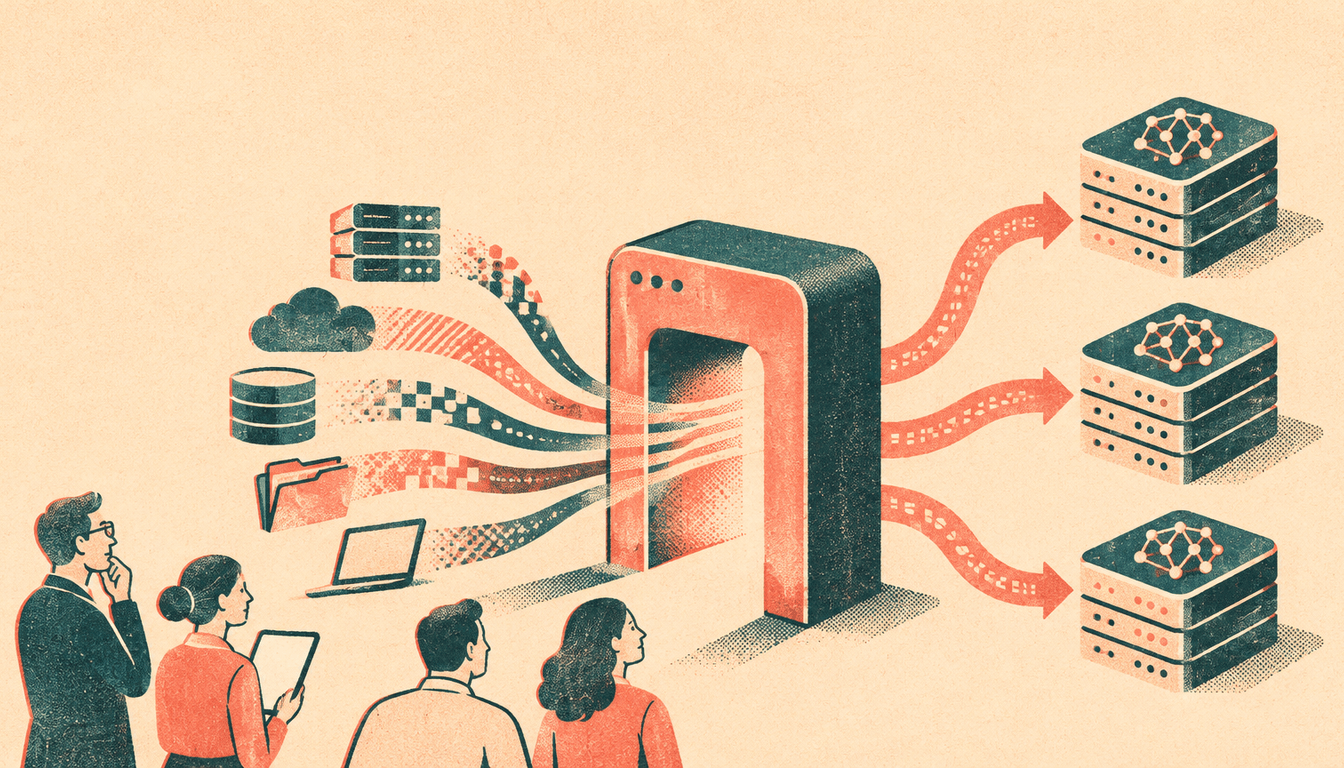
Microsoft has made Azure AI Gateway generally available as a standalone Azure service, three months after it entered public preview as a dedicated tier of Azure API Management. The service routes application and agent traffic to AI models and Model Context Protocol (MCP) tools.
According to Microsoft’s documentation, the gateway has moved out of API Management into its own product with an AI-focused roadmap. Both services still use the Microsoft.ApiManagement resource provider but as different resource types, and AI workloads on other API Management SKUs remain supported. Microsoft documents a migration path from the AIGateway SKU and suggests keeping business APIs in API Management while routing model and tool traffic through AI Gateway.
Each gateway includes 10,000 free requests per month. Paid billing begins January 1, 2027, at $500 per gateway per month for up to 10 million requests, plus $20 for each additional million. The service currently runs in 17 regions, up from two regions during preview. Microsoft plans to publish regional prices when billing starts.
The gateway fronts Microsoft Foundry, Azure OpenAI, OpenAI, Anthropic, Amazon Bedrock, Google Vertex AI, and any OpenAI-compatible endpoint behind custom aliases. Applications call it through an OpenAI-compatible API or the Anthropic Messages API. The gateway supports routing by priority, weight, or custom conditions and failover between backends. A cost- and quality-based Model Router remains in preview.
For tools, the gateway federates MCP servers and converts OpenAPI specifications, connectors, and API Management APIs into MCP tools. Microsoft Agent 365 can discover those servers and apply tool policies that the gateway enforces.
The service tracks tokens and estimated cost by user, team, application, agent, and provider. Enforced budgets stop new requests once estimated spend reaches the limit. Microsoft positions the gateway as the hub in a hub-and-spoke model, with Foundry projects as spokes that can share deployments, including provisioned throughput, and fail over to other Foundry resources or providers.
Private Link for inbound calls, VNet integration for private backends, and Defender and Purview threat protection for tool calls remain in preview.