According to a paper published on arxiv.org, researchers have developed ChatT2, a large language model-based agent specifically tailored for investigating bacterial type II polyketides, a therapeutically important family of natural products.
The framework addresses challenges that novices face in microbial natural product research, including “the complexity of microbial systems, biochemical diversity, technical skill requirements, and the demands of bioinformatics and data analysis processes,” according to the abstract.
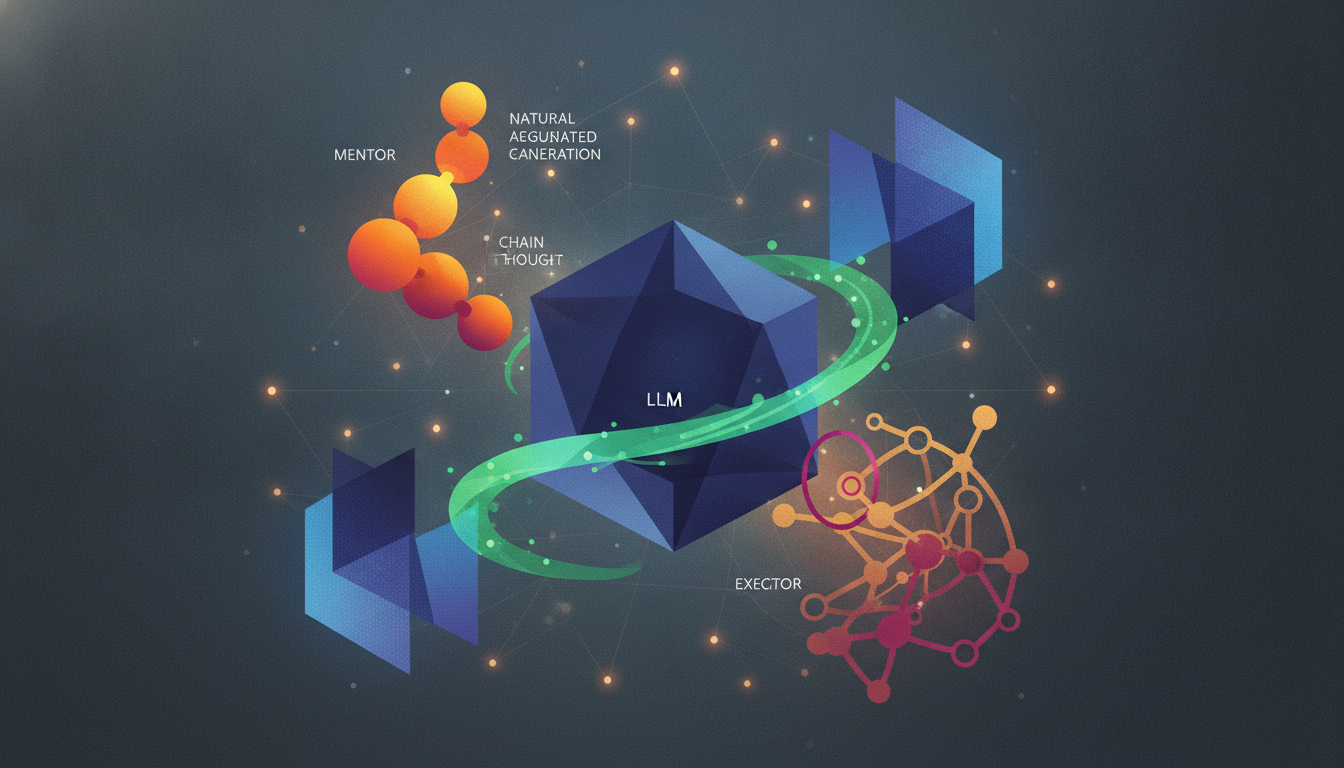
ChatT2 employs an autonomous multi-agent architecture consisting of three specialized components, as described in the arxiv.org paper. The mentor serves as an intermediary between users and ChatT2, using chain-of-thought prompting to refine user intent. The executor synthesizes multimodal information through retrieval-augmented generation techniques and integrates bioinformatics and cheminformatics tools. The evaluator assesses the executor’s output to ensure information accuracy and richness.
According to the researchers, this multi-agent design helps address limitations of general LLMs when working with “limited, specialized corpora and complex biological information.” The framework aims to provide both experts and novices with tools for exploring various natural products of interest.
The ChatT2 webserver is accessible at chatt2.site, according to the paper published on September 23, 2026.